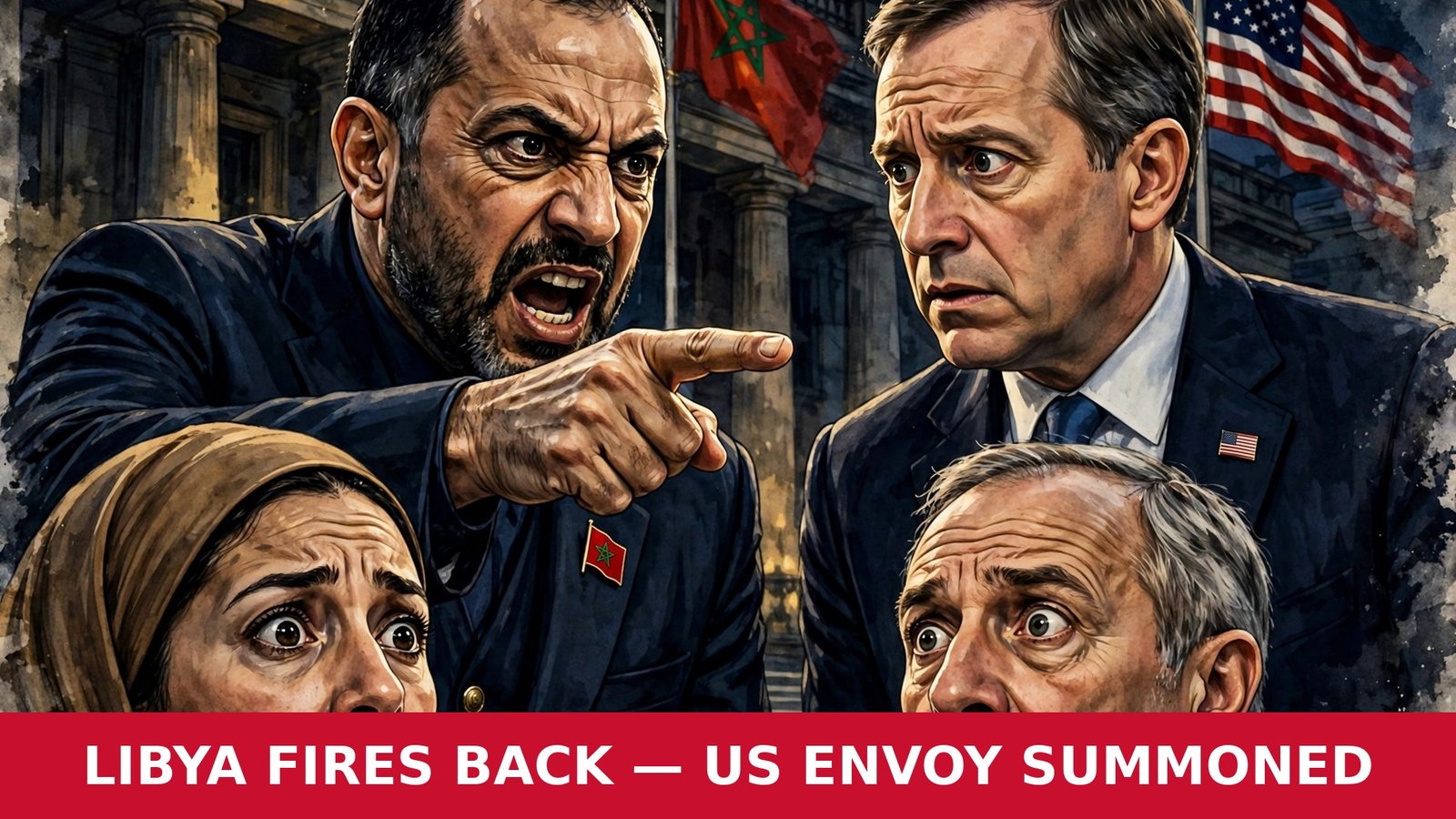
Libya did not wait for a press conference. It called in America's envoy.
On Sunday, Libya's foreign ministry summoned the US chargé d'affaires to protest rally statements by President Donald Trump that it described as "offensive" — after he called the North African nation "terror-infested."
The ministry said it rejected any statements that "undermine the dignity of its people or diminish their standing."
The line that started it
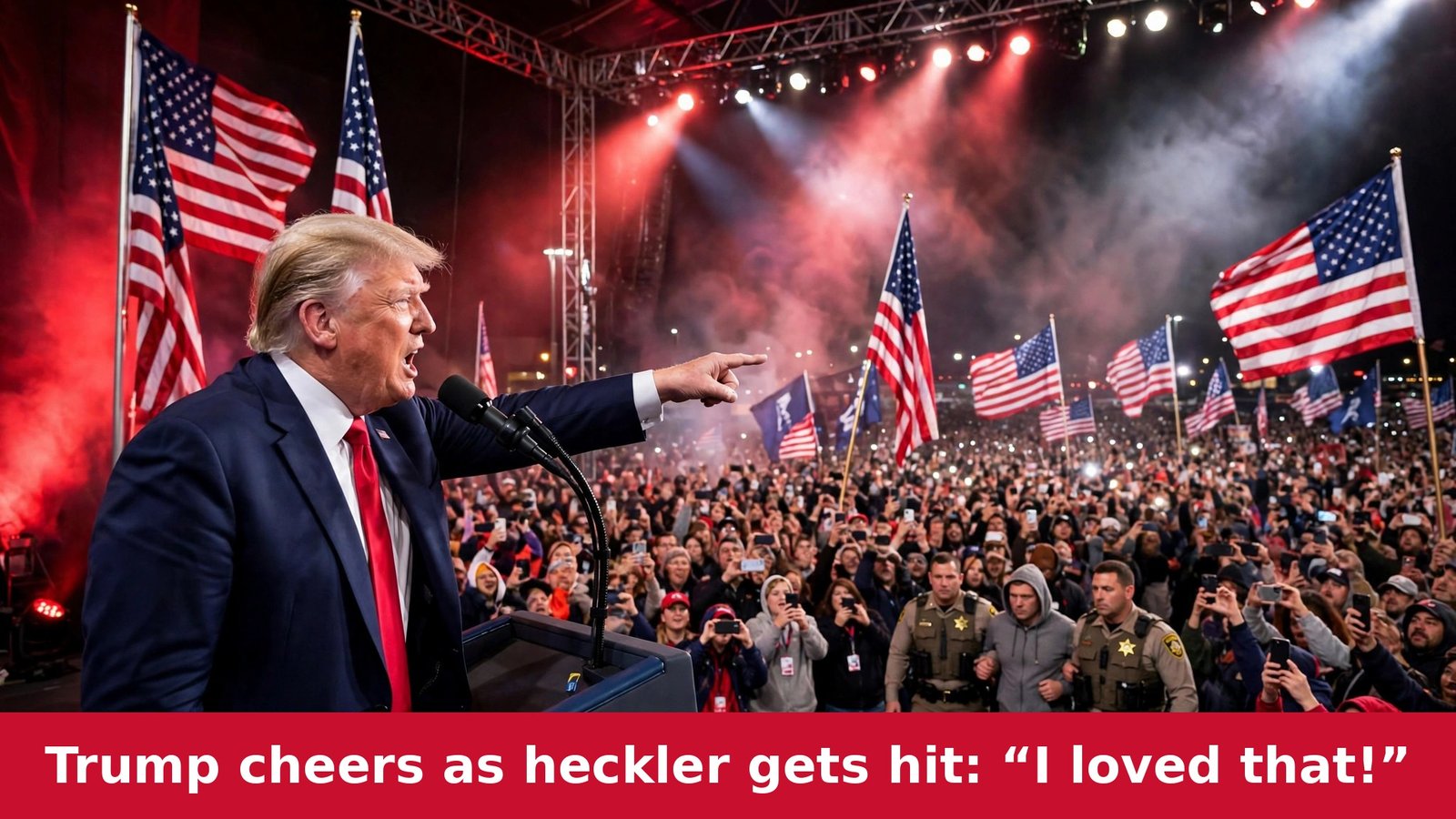
The protest traces back to Saturday's rally in Perry, Georgia, where Trump was campaigning ahead of the midterm elections. Attacking Democratic Senator Jon Ossoff, Trump said Ossoff had "personally sponsored a bill to bring armies of migrants from terror-infested countries like Libya, Yemen, Haiti, Somalia."
Then he reached back to his first term for the punchline.
"Remember what I called them? Shithouse countries," Trump said, in a reference to remarks that caused a diplomatic storm years ago.
Libya's rival administrations in the east and west — rarely in agreement about anything — both denounced the remarks, rejecting attempts to draw Libya into what they called "electoral debates."
For a country still split between competing governments, that unity was itself a measure of how the words landed.
Trump's Sunday night reply
Trump responded on Truth Social on Sunday night, and his message tried to do two things at once: praise Libyans, and hold the line on migration.
The United States was committed to ties with Libya, he wrote, calling its people "proud, resilient, hospitable, and deserving of peace and prosperity."
Then came the condition.
"We respect the Libyan people and the sacrifices that brave Libyans made fighting ISIS, the common enemy of both our peoples, but Libya cannot remain a corridor for illegal migration, and this must end now," he wrote.
It was, in other words, a softening of tone without a retraction of the substance. The people were praised. The migration warning stayed.
Why a rally line becomes a diplomatic incident
This is the pattern of the final midterm week: a line written for a rally crowd in Georgia or Michigan lands, within hours, in a foreign ministry in Tripoli or Oslo.
Campaign rallies are domestic theatre. But when the speaker is the sitting president, foreign governments hear policy — or at least they cannot afford to assume they are not hearing it. Summoning an envoy is the formal way of saying: we heard you, we object, and we want it on the record.
Libya's message was carefully worded. It did not threaten retaliation or break off contact. It rejected the characterisation of its people and refused to be cast as a prop in an American election argument.
That restraint matters, because Libya's cooperation still matters to Washington — on migration routes across the Mediterranean, on counterterrorism against ISIS, and on stability in a region where the US has spent years trying to keep a foothold.
The bigger picture in one weekend
Taken together, the weekend's rally language tells a single story about how this president campaigns in the final days before a vote: name the enemy, name the country, let the crowd roar, and deal with the diplomatic fallout afterwards.
On Saturday it was Libya, Yemen, Haiti and Somalia. On Sunday it was Norway, by name, over the Nobel Prize. Each time, the foreign reaction arrived before the next rally had even begun.
Libya's summons does not change American immigration policy by itself. It does put a formal marker down: a government that has fought alongside the United States against ISIS does not accept being described, in a campaign speech, as a country defined by terror.
Whether Trump repeats the line at his next rally will tell the rest of the story. If he does, the summons will not be the last one.
Sources: Reuters (October 26, 2026), TimesLIVE.