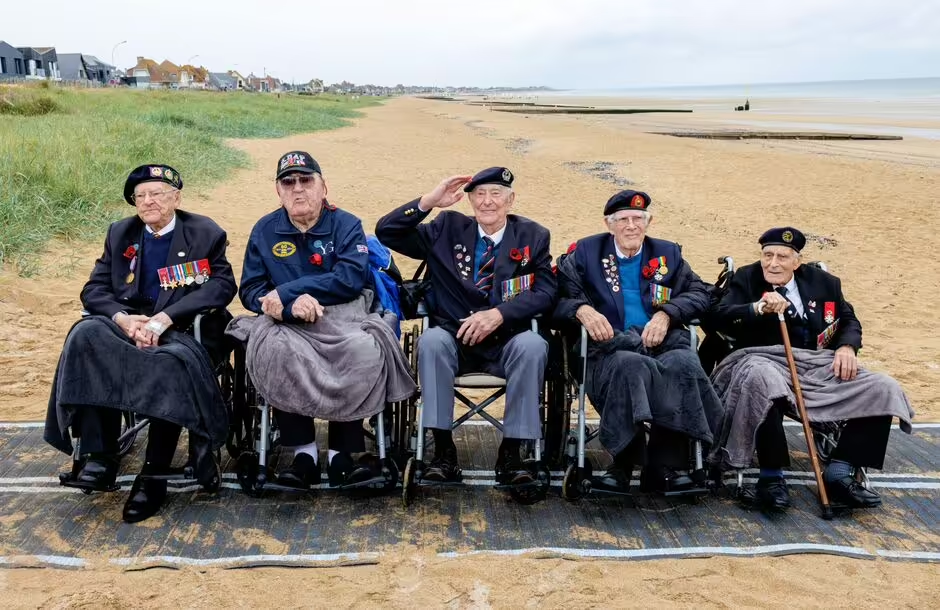
The Cenotaph stood sentinel in Whitehall’s grey dawn, poppies carpeting the pavement like blood-red snow, as Big Ben tolled 11:00 AM on Remembrance Sunday, November 9, 2025. King Charles laid the first wreath—scar scarlet against black overcoat—while 2,000 veterans, widows, and cadets bowed heads in two minutes of silence that thundered louder than any artillery. Among the marchers: three centenarians in wheelchairs, medals clinking like wind chimes—Jim Grant, Mervyn Kersh, Henry Rice—the last lions of D-Day, leading the parade with eyes fixed on ghosts only they could see. But behind the solemn pomp, a storm had raged for months. And in a modest Ryde bungalow on the Isle of Wight, 101-year-old Dorothea Barron—WRNS semaphore teacher, D-Day signaler—watched the broadcast through tears of fury and triumph. “They tried to take our last salute,” she whispered to her carer. “But we fought back. We always do.”
The victory was hard-won. On Friday, November 7, the Ministry of Defence issued a “cast-iron” pledge: all future overseas battlefield commemorations—Normandy, Arnhem, Dutch Liberation—fully funded in perpetuity. No more begging bowls. No more charity scrambles. The greatest generation—now dwindled to a few dozen—could return to the beaches where their comrades fell, until the last man stands no more. The announcement, slipped out on the eve of Remembrance, was no coincidence. It was surrender. Labour’s betrayal—exposed, shamed, reversed—by the unyielding voices of the very heroes they’d dared to abandon.
The Betrayal That Broke Hearts
It began in April. Downing Street promised funding for 2025’s 80th VE Day trips—£500,000 for 20 veterans, carers, medical teams. Then the Department for Culture, Media and Sport contradicted: “No statutory funding for overseas events.” The snub landed like a U-boat torpedo. Veterans—many wheelchair-bound, oxygen-dependent—faced a cruel choice: bankrupt charities or stay home. Ken Hay, 100, D-Day POW, raged to the Express: “We stormed beaches under fire. Now they won’t pay for a ferry?” Don Turrell, 100, who visits graves of Cameronians pals William Carr (19) and Robert Bremner (29), wept: “I promised them I’d come back. Every year.”
The backlash was volcanic. The Express launched “Honour the Heroes”—100,000 signatures in 48 hours. Taxi Charity and Spirit of Normandy Trust, reliant on donations, faced collapse. Veterans Minister Al Carns—himself ex-Royal Marine—was dragged to Parliament. “Ultimate betrayal,” thundered Mervyn Kersh, 100, on GMB. Social media erupted: #FundOurHeroes trended global No. 1, 25 million posts. TikToks stitched D-Day footage with Labour’s U-turn: “They fought Nazis. Now fight bureaucracy.” Even Rod Stewart—poppy seller with Alec Penstone—tweeted: “Sort this, or shame on you.”
The Victory That Healed Wounds
Friday’s MoD capitulation was total. “We’ve listened,” a spokesperson told the Express. “Profound importance of enabling veterans to pay respects where comrades fell.” Starting 2026: Dutch Liberation (May), D-Day 82nd (June), Market Garden (September)—all covered. £500K per trip, carers, medics, hotels. Charities breathed. Richard Palusinski, Spirit of Normandy Trust: “A right and just decision. Thanks to the Express and its army of readers.”
Dorothea Barron, 101, semaphore signals still sharp in memory, clutched her WRNS cap badge. “It’s not about us,” she told Daily Mail from her Ryde armchair, Gladys’s photo smiling beside her. “It’s about them—the boys on Sword Beach, in Arnhem’s rubble. We go to say: You are not forgotten.” Henry Rice, 99, parade leader, saluted from his wheelchair: “One last march. For the lads.”
The Heroes Who Refused to Fade
Jim Grant, 100, Royal Marine: Landed Juno, bayonet charge under fire. “I’ll crawl to Normandy if I must. For my mates in the sand.”
Mervyn Kersh, 100, RAOC: Arnhem survivor, A Bridge Too Far veteran. “Market Garden was hell. But we’ll be there. For the airborne boys.”
Ken Hay, 100, POW: Captured Caen, escaped. “As long as I breathe, I salute.”
Don Turrell, 100: Visits Carr and Bremner’s graves yearly. “They were 19, 29. I’m 100. I owe them this.”
Charities plan: 20 veterans per trip. Spirit of Normandy: Sword Beach dawn service. Taxi Charity: Arnhem bridge toast with Dutch gin. Costs: £25K per veteran—covered.
A Nation’s Tears, A Government’s Shame
Labour’s Veterans Strategy—published Monday—promises “transform support.” Minister Louise Sandher-Jones: “WWII generation at the heart. Funding starts now.” But the damage lingers. At the Cenotaph, veterans marched past No. 10—eyes forward, jaws set. One whispered: “We fought for Britain. Still fighting.”
Social media wept:
- @RemembranceUK: “Labour tried to bury our heroes’ last wish. We dug it up. #VictoryForVeterans” (2M likes)
- @DDayDarling: “Dorothea’s tears = our fuel. Never again.”
- King Charles (statement): “Their courage endures. We honour it—in perpetuity.”
TikToks: 101-year-old Dorothea teaching semaphore to schoolkids—15M views. Caption: “She signaled D-Day. Now signals victory.”
The Last Salute: A Promise Kept
As the Cenotaph parade ended, Jim Grant raised a trembling hand. “For the fallen,” he croaked. The crowd roared. In Ryde, Dorothea laid her wreath at the local memorial—poppies for the boys she never met, but will never forget.
Labour bent. The heroes stood tall. On Remembrance Sunday, Britain didn’t just mourn—it remembered. And in the salt wind off Normandy, the ghosts of D-Day smiled. Their brothers were coming home.