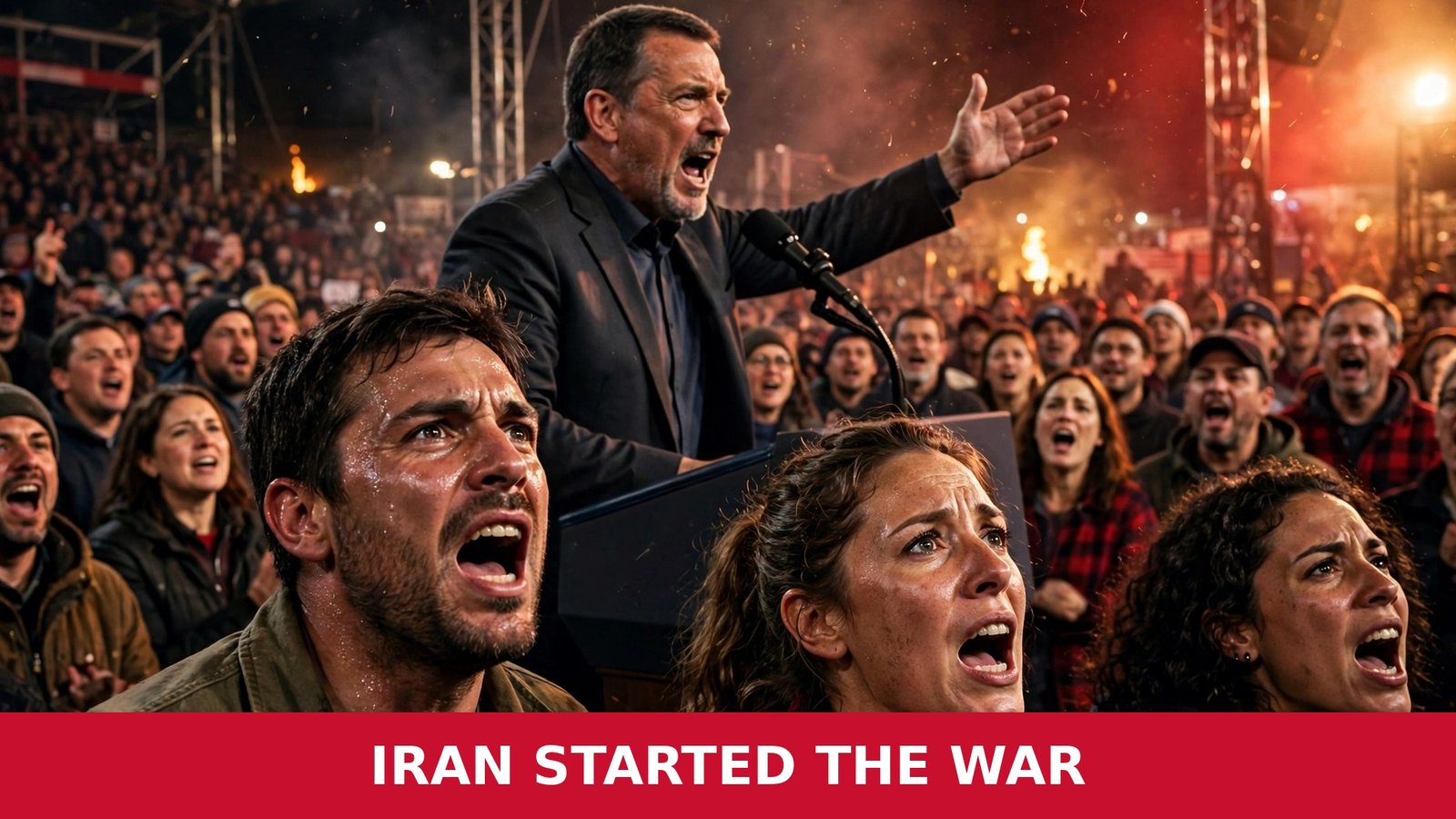
The arena in Corinth, Mississippi, was loud, hot, and packed. On Monday, October 26, Donald Trump stood at Crossroads Arena and told the crowd his version of the war with Iran — in the bluntest terms he has used yet.
"We didn't start the war with Iran. Iran started the war with us," he said.
He called an earlier ceasefire "a waste of time," said the war will end soon, and claimed Iran had been two weeks away from a nuclear weapon. He added that Iranian missiles could reach San Diego and Los Angeles — a claim designed to bring a distant war home to American cities.
The crowd roared. But the speech also reopened a question that has divided Washington since the war began: how did it start, and how close was Iran to a weapon?
What the timeline shows
According to independent reporting, the current war began on February 28, 2026, with coordinated American and Israeli strikes under Operation Epic Fury. Before those strikes, independent reporting says, no imminent Iranian attack on American forces had been identified.
That timeline does not, on its own, settle the argument about who bears responsibility for years of confrontation between Washington and Tehran. Iran has backed proxy forces across the Middle East, threatened Israel, and advanced a nuclear program that Western intelligence agencies have long watched with alarm. Supporters of the strikes argue they were preventive — that waiting for an imminent attack would have been too late.
Critics argue the opposite: that a preventive war launched without evidence of an imminent attack is a war of choice, and that calling it self-defense rewrites the sequence of events.
Trump's rally speech did not engage with that debate in detail. It offered a simpler story: America was attacked, America responded, and America will win soon.
A ceasefire called a waste of time
Trump's dismissal of the earlier ceasefire as "a waste of time" will worry diplomats who have tried to pause the fighting. Ceasefires in this war have been fragile, short, and frequently broken. Each collapse has been followed by fresh strikes and fresh casualties.
By calling the effort wasted time, Trump signaled that he does not see negotiation as the path forward — at least not now. His promise that the war "will end soon" suggests he believes military pressure, not diplomacy, will finish it.
That is a bold claim to make at a campaign rally, eight days before the midterms. Wars have a habit of outlasting rally promises. And voters who have watched this one drag on since February will be listening closely to whether "soon" means weeks, months, or something else entirely.
Why Corinth matters
Corinth is not a foreign policy capital. It is a small Mississippi city, and the rally was a campaign event, not a Pentagon briefing. But that is precisely why the speech matters. Trump was not speaking to generals or diplomats. He was speaking to voters, testing which version of the war they will carry into the voting booth.
His version is clear: Iran started it, Iran was close to a bomb, American cities were in range, and the end is near. The documented timeline is also clear: the current war began with American and Israeli strikes on February 28, with no imminent Iranian attack publicly identified beforehand.
Voters will have to hold both facts in their heads at once — the president's words, and the record — and decide what they believe.
Sources: Al Jazeera live blog; Clarion Ledger rally live coverage; Asia Business Daily.